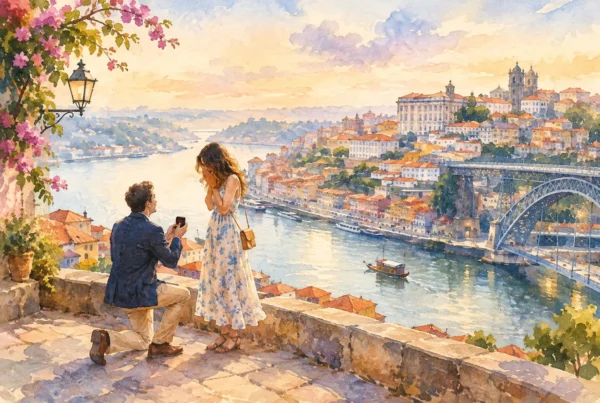

A proposal lasts seconds, but the smallest details stay with you: the breath before the question, the look of disbelief, hands reaching for each other before either of you has found the right words. Can photographers capture proposals secretly? Absolutely. When it is planned with care, a photographer can be close enough to preserve those real reactions without becoming part of the moment.
The goal is not to turn a surprise proposal into a production. It is to give you space to be fully present while someone experienced quietly watches the light, the setting, and the story unfolding in front of them.
Can Photographers Capture Proposals Secretly?
Yes, though “secretly” does not mean accidentally. The best discreet proposal photography depends on a simple plan shared between the person proposing and the photographer. That plan covers where you will stand, how you will arrive, what signal confirms the moment is about to happen, and what to do if the location is busier or quieter than expected.
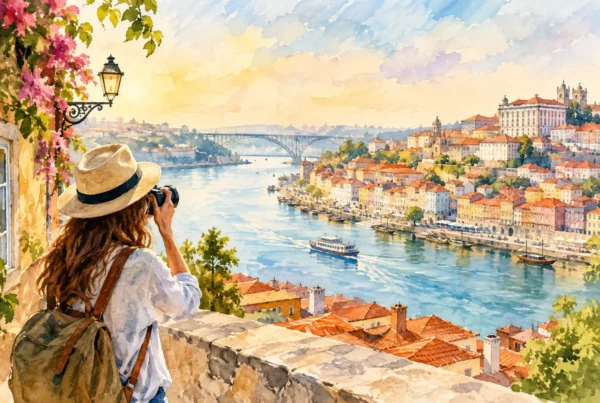
A photographer may look like a traveler taking photos of the river, a person pausing near a viewpoint, or someone photographing architecture along a cobbled street. From a distance, that feels natural. Up close, it requires sharp observation and a calm understanding of timing.
There is a balance to protect. A photographer needs a clear view of both faces, but not so close that your partner notices a camera before they notice you. They need enough room to move if the light changes or a group walks through the frame, yet must avoid making the scene feel managed. This is why proposal coverage works best with someone who knows how to read people, not simply a camera.
The Planning That Keeps the Surprise Intact
Discreet does not have to mean complicated. In fact, the strongest plans are usually the simplest. Choose one specific location, one realistic time window, and one unmistakable signal.
For example, you might tell your photographer that you will walk toward a particular riverfront bench, stop when you reach the railing, and take off your jacket before getting down on one knee. Or perhaps you will ask your partner to look out over the Douro while you step back for “one more photo.” The signal should feel like something you can do naturally, even if you are nervous.
A good photographer will also ask questions that protect the experience: Which hand will hold the ring? Do you want the city, bridge, ocean, or vineyard landscape in the background? Is your partner likely to notice someone with a camera? Will you have bags, coats, or a glass of wine in hand? These are not fussy details. They help the photographer anticipate the moment instead of directing it.
It is wise to share a recent photo of you both and describe what you will wear. This makes it easier to recognize you in a busy place without repeated messages or conspicuous searching. If you are traveling, send a live location only shortly before you arrive, rather than trying to coordinate every step of your day.
Choosing a Place That Feels Like You
The most photogenic spot is not always the right proposal spot. A dramatic view can be beautiful, but if it is crowded, windy, difficult to reach, or filled with people waiting for the same angle, it may make a private moment feel exposed.
Porto offers grand river views, old-world streets, tiled facades, and quiet corners where evening light settles softly across the city. The Douro Valley offers another kind of intimacy: terraced vineyards, winding roads, and wide views that make time feel slower. Each setting creates a different story. A city proposal can feel spontaneous and alive. A vineyard proposal can feel more secluded and cinematic.
Think first about what your partner would love. Some people want a sweeping view and the energy of a landmark. Others would rather have a peaceful path, a small terrace, or a place that lets them laugh and cry without an audience. There is no universally perfect location, only one that feels true to the two of you.
Local knowledge matters here. A familiar viewpoint may be beautiful at sunrise and overcrowded by late afternoon. A street that looks quiet online may be a delivery route or construction zone. An experienced local photographer can offer options with the right light, access, and atmosphere, plus a practical backup nearby.
Timing Is More Important Than a Perfect Forecast
Many proposal plans focus on weather, and weather matters. But timing often matters more. Early morning can offer quiet streets and soft light, while late afternoon brings warmth and more movement. Blue hour, just after sunset, can be deeply romantic, but it leaves very little room for delays and requires more careful positioning.
If your partner is not a morning person, do not build the entire surprise around a 7 a.m. viewpoint. If dinner reservations make you rushed, choose a moment before rather than after. The right time is when you can both arrive relaxed enough to feel the moment.
A little weather flexibility helps. Light rain can create beautiful reflections on Porto’s streets, and a cloudy sky can make expressions and color feel gentle and intimate. Heavy rain, strong wind, or low visibility may call for a backup plan. The surprise should never depend on pretending uncomfortable conditions are romantic.
What Happens After the Question?
Once your partner says yes, there is usually a wonderful pause when neither of you knows what to do next. Let it happen. Hold each other. Look at the ring. Laugh. Cry. Call someone if that feels right. Those minutes often become the photographs people return to most, because the surprise has softened into something more personal.
Afterward, the photographer can step in, introduce themselves, and guide a short, relaxed portrait session. This is not about suddenly forcing you into stiff poses. It is a chance to give you a few minutes together while the joy is still new: walking, talking, taking in the view, and letting the setting become part of the memory.
Some couples want to keep it short and return to their plans. Others want an hour or more, perhaps ending with a celebratory drink or a stroll through the city. Both work. The best choice depends on your travel schedule, your comfort in front of the camera, and whether you want a proposal story or a fuller engagement session from the same day.
A Few Things That Can Affect Discreet Coverage
Secret proposal photography is wonderfully possible, but it is not invisible in every circumstance. Very open spaces can leave little cover. Tight crowds can block the view. Security restrictions, private venues, and some hotel or restaurant spaces may require permission before a photographer can work there.
Your photographer should be honest about these trade-offs. A completely hidden approach may mean shooting from farther away, which captures the atmosphere but offers fewer close-up expressions. A closer position gives more emotional detail, but may require a believable reason for the photographer to be nearby. Sometimes the most natural option is a “casual couple photo” setup, where your partner believes you are simply having a travel portrait taken before the proposal happens.
None of this makes the moment less real. It simply gives you choices. The point is not to create a perfect performance for the camera. It is to preserve the version of the day you will recognize years later.
How to Keep Your Nerves From Taking Over
You do not need a speech worthy of a movie. A few honest words will always matter more than something memorized under pressure. If you are worried you will forget what you planned to say, write down three thoughts beforehand: what you love about your partner, what this trip or place means to you, and why you want to build a life together.
Then let the rest be imperfect. A shaky voice, a laugh at the wrong time, a pause while you open the ring box – these are not mistakes. They are the evidence that this is your real life, not a scene being reenacted.
The best proposal photographs do not depend on everything going exactly to plan. They depend on giving yourselves a moment that feels unmistakably yours, then allowing someone observant to preserve it as it happens.