
The Douro does not need much help to look extraordinary. At golden hour, though, the valley changes character: vineyard terraces warm to amber, the river catches the last light, and even a quiet walk between vines feels cinematic. This Douro golden hour guide is for travelers who want photographs that belong to their trip, not a rushed collection of poses in front of a pretty view.
The goal is not to chase a perfect sunset at all costs. It is to give yourselves enough time to settle into the landscape, enjoy each other, and let the light do what it does best. A good session should feel less like an appointment and more like one of the best hours of your day in the valley.
What golden hour feels like in the Douro
Golden hour is the period shortly after sunrise or before sunset, when direct sunlight sits lower in the sky. The light is softer, warmer, and more forgiving than midday sun. In the Douro Valley, that warmth lands across layered hillsides, old stone walls, olive trees, and the river in a way that gives photographs real depth without making them feel overworked.
But the valley has its own rules. Its steep terraces and ridgelines can block the sun earlier than a weather app suggests. One quinta may still be glowing while another has already slipped into cool shadow. That is why location matters as much as the official sunset time.
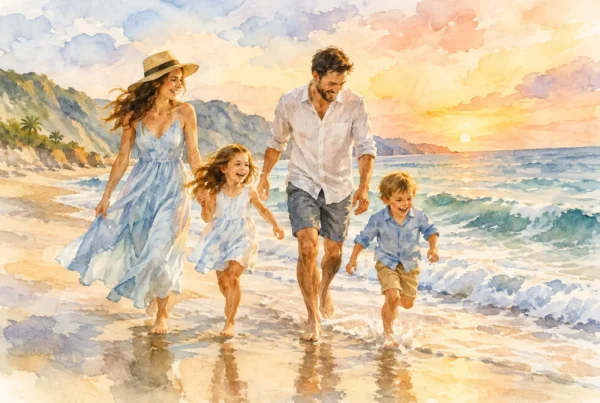
For couples, golden hour creates room for closeness without the pressure of being watched. You can walk, share a glass of wine, take in the view, or simply stand together while the day slows down. For families, it is often the gentlest time to photograph children, when the heat has eased and there is space to move. For solo travelers, it brings a quieter, more editorial feeling to portraits that still look like you were genuinely there.
Douro golden hour guide for choosing the right time
The best time depends on the season, your location, and the kind of experience you want. In summer, the sun sets late and the afternoon can be intensely hot, particularly among open vineyards. A later session is usually more comfortable and gives you that honeyed, lingering light. In spring and fall, sunset arrives earlier, temperatures are milder, and the vineyards often have more texture and color.
Winter can be beautiful too. The light is lower, softer, and often more dramatic, though the days are shorter and weather deserves more flexibility. Bare vines and moody skies are not a compromise if you love quiet, atmospheric images. They tell a different Douro story.
Sunset or sunrise?
Sunset is the natural choice for most visitors. It pairs easily with a vineyard visit, dinner, or a relaxed day leaving Porto, and the landscape gradually warms as the session unfolds. It also tends to suit proposals, anniversaries, and couple sessions because there is no early alarm or hurried start.
Sunrise is worth considering if you want the valley almost to yourselves. Roads and viewpoints are quieter, summer temperatures are kinder, and morning mist can settle beautifully over the river. The trade-off is simple: it requires a genuinely early start and a plan that does not leave you tired for the rest of the day. For some people, that privacy is exactly the point. For others, sunset is the better fit.
Aim to begin around 60 to 90 minutes before sunset, rather than arriving at the final minute. The most flattering photographs rarely happen only when the sun touches the horizon. The lead-in matters: the brightness softens, you become comfortable with the camera nearby, and there is time to follow the light instead of racing it.
Pick a setting with room to breathe
The famous views are famous for a reason, but a photograph becomes more personal when it has a sense of place beyond the obvious overlook. A vineyard path with space to walk, a terrace overlooking the river, a quiet olive grove, or an old stone staircase can hold just as much beauty as the widest panorama.
A private quinta can offer an especially relaxed setting. There may be access to terraces, vines, architectural details, or a glass of Douro wine at the right moment. It also gives couples more privacy, which matters if the session includes a surprise proposal or if you simply do not want an audience while you are finding your rhythm.
Public viewpoints can be wonderful, particularly for a short stop or a dramatic final frame. They are less predictable, though. During busy months, buses, parked cars, and other visitors can change the atmosphere quickly. The answer is not to avoid them entirely. It is to build a route with alternatives and allow the session to move. A skilled local photographer reads the available light and the energy of a place, then chooses the scene that feels right rather than forcing one preplanned shot.
If you are booking a wine experience on the same day, leave breathing room between the tasting and the photographs. A private wine-tour pairing can make the day feel connected, but a tightly scheduled itinerary can make even the most beautiful sunset feel like another box to check.
Wear what lets you move naturally
The Douro is not a studio, and that is part of its charm. Expect uneven ground, dust on vineyard paths, occasional wind, and a temperature drop after the sun disappears. Choose clothes that make sense for a real afternoon outdoors, while still feeling like a slightly more considered version of yourselves.
Soft neutrals, earthy tones, muted blues, and warm colors tend to sit beautifully against the greens, golds, and stone of the valley. Avoid matching exactly. Complementary colors and different textures look more natural in photographs and still feel like your own style.
Comfortable shoes matter more than people expect. You do not need hiking gear, but shoes you can walk in will give you more freedom and better body language than footwear that makes every step cautious. You can always bring a second pair for a few still portraits if a particular outfit calls for it.
Most of all, skip anything that makes you feel disguised. The best photographs are not created by a perfect dress or a carefully copied social media look. They come from recognizing yourselves in the images afterward.
Let the session be part of the trip
Many people arrive saying they are awkward in photos. Usually, what they mean is that they do not enjoy being told where to put every hand or how to smile on command. That is fair. A golden-hour session in the Douro should make room for natural movement and small, unscripted moments.
Walk toward the view. Pause when the light catches the vines. Lean in close during a conversation. Let a child run a few steps ahead. If you want to open a bottle, hold hands, or take a quiet minute at the edge of a terrace, those are not interruptions to the photographs. They are the photographs.
At By RuPe, direction is there when it helps, but it is never meant to turn you into someone else. You may be gently guided toward better light or asked to slow down for a moment. After that, the focus returns to what is actually happening between you.
If you are planning a surprise proposal
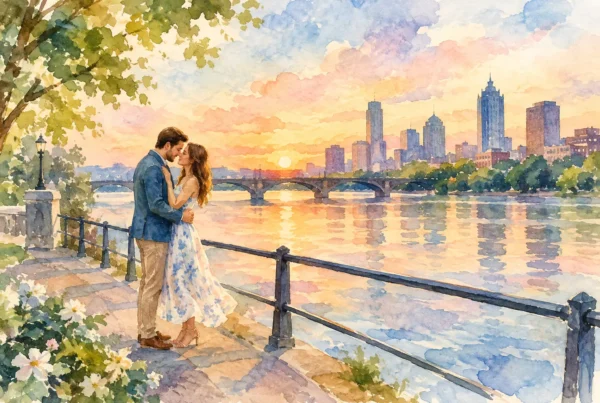
Golden hour is a beautiful setting for a proposal, but discretion needs to come before spectacle. Choose a place where you can arrive without drawing attention, and make sure there is a believable reason to be there. A vineyard walk, scenic stop, or wine tasting can all work naturally.
Timing is especially important. Propose early enough in the session that there is light left for the reaction, the celebration, and a few portraits afterward. The moment itself goes quickly. The quiet seconds after it often hold the feeling you will remember most.
Share practical details ahead of time: what you will be wearing, how you plan to approach, whether a driver is involved, and any signal that feels natural. A thoughtful plan makes it possible for the photography to stay invisible until it matters.
When the sky begins to dim and the valley turns blue, do not feel you have missed your moment. Stay for a few extra minutes. The light after sunset can be tender and still, and the Douro often looks most honest when the day has finally stopped performing.