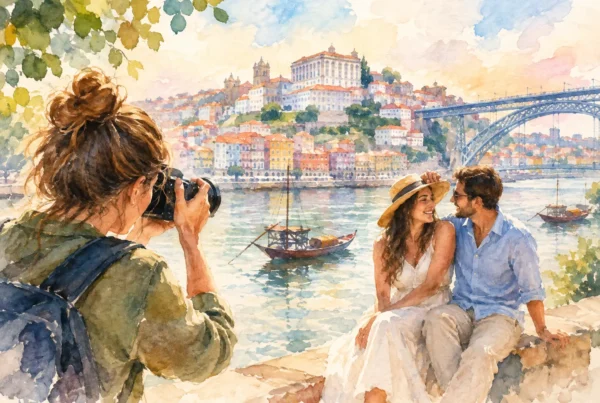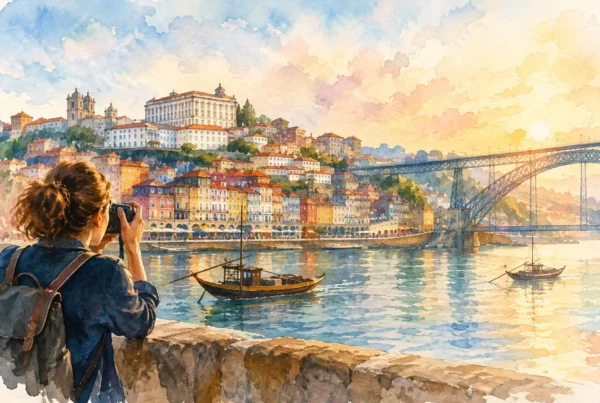

A listing has only a few seconds to make someone stop scrolling. Real estate photography is not simply proof that a kitchen, bedroom, or terrace exists. It is the visual invitation that helps a buyer imagine arriving, opening the shutters, setting down a glass of wine, and feeling at home in the space.
That difference matters, especially for properties with character. A beautifully restored apartment, a light-filled contemporary home, or a design-led hospitality space cannot be reduced to a series of wide angles and bright corners. The photographs need to be clear enough to inform, but considered enough to create a pull. They should show the space honestly, with its texture, proportions, and atmosphere intact.
What Real Estate Photography Needs to Do
Good property images answer practical questions before a buyer asks them. How does the living room connect to the kitchen? Is there room to gather around the dining table? What does the morning light do in the bedroom? Does the balcony feel private, open, or exposed? These details build trust because they help a viewer understand how the property works.
But practical clarity is only half the job. The best images also create a feeling. A quiet shadow across original tile, linen moving near an open window, sunlight landing on a timber floor: small visual cues can make a space feel lived in without making it look staged. They offer an emotional entry point, particularly for buyers making decisions from another country or city.
For architects and interior designers, the goal shifts slightly. The images must honor the intention behind the project: the rhythm of the facade, the relationship between materials, the way circulation unfolds from one room to another. In this context, photography becomes part documentation and part interpretation. It should make the design legible while leaving room for the viewer to feel its atmosphere.
Start With the Property, Not a Formula
Not every property needs the same set of photographs. A compact city apartment may be sold by its light, clever layout, and connection to the street below. A larger home may need a stronger sense of movement from entrance to garden, pool, or view. A historic building might depend on the details many fast listing shoots overlook: worn stone steps, high ceilings, hand-painted tile, or the way an old door frames the room beyond.
Before a shoot, it helps to identify the property’s real reason for being remembered. Sometimes it is obvious, such as a river-facing terrace or a dramatic staircase. Sometimes it is subtler: an unusually calm bedroom in the center of the city, a kitchen that feels genuinely social, or a renovation that balances contemporary lines with old materials.
This does not mean hiding less convenient details. Honest photography is more valuable than a visual trick that disappoints visitors later. A narrow hallway may need to be shown with care, but it should still read as narrow. A smaller room can feel inviting through good composition and light, not by being made to look impossibly large. The right approach protects the credibility of the listing and the reputation of the person selling it.
Light should reveal, not flatten
Light is where a property begins to feel real. Bright, even exposure has its place, particularly when a room needs to be clearly understood. Yet when every shadow is erased and every window view is pushed into artificial perfection, the result can feel sterile. The home may be visible, but it no longer has a mood.
Natural light often gives the most believable result, though timing depends on the property. East-facing rooms can be at their best early in the day. West-facing terraces may need the warmth of late afternoon. In Porto, where light can shift quickly between river haze and clear Atlantic brightness, a photographer who understands the location can make better decisions about when each room or exterior should be photographed.
Artificial lighting can support the scene when necessary, especially in darker interiors or during an evening exterior session. It should not announce itself. The goal is a finished image that feels close to the experience of standing there, not a room lit so aggressively that every surface loses depth.
Styling is about restraint
A property should look prepared, but not performed. Remove personal clutter, cords, cleaning supplies, and anything that interrupts the line of a room. Make beds neatly, straighten chairs, clear kitchen counters, and check that every lamp, curtain, and artwork is sitting as intended.
Then stop before the space becomes a showroom cliché. A single book on a side table, fresh greenery, or a set table can add warmth when it suits the property. Too many props, however, distract from the reason the image exists. Buyers are there to see the home, not the photographer’s idea of someone else’s lifestyle.
For vacation homes and hospitality properties, a little more context may be useful. A folded towel by the pool, breakfast on a terrace, or a softly lit dining area can suggest an experience. Even then, the scene works best when it feels plausible. The viewer should be able to picture themselves there, not notice the staging.
The Essential Story of a Listing
A strong gallery has a beginning, a middle, and a sense of place. It often starts with the exterior or the most immediate arrival point, then moves through the spaces in a natural order. The viewer should never feel dropped randomly from a bathroom to a roof terrace to a bedroom with no understanding of how the home connects.
Wide images establish scale and layout. Medium compositions bring attention to furniture, finishes, and sightlines. Closer details provide texture and character. Each kind of image has a role. A gallery made entirely of wide shots can feel cold and repetitive; one made entirely of details can leave the buyer confused about the property itself.
The surroundings matter too, but only when they tell the truth about the lifestyle on offer. For a Porto apartment, that could mean the relationship to the river, a view of the tiled facades, or the walkable energy of a nearby street. For a country property, it may be the approach through vineyards, the landscape beyond the windows, or the quiet distance between the house and its neighbors. These frames are not filler. They help someone understand what it means to live there.
Choosing a Photographer Who Sees More Than Rooms
Technical skill matters in real estate photography. Straight verticals, controlled window light, accurate color, and consistent editing are non-negotiable. A leaning building or a blue-gray living room with yellow lamps can make even a good property feel careless.
Still, technical correctness alone is not enough for a premium listing. Look for a photographer whose work has a point of view without becoming self-indulgent. Their portfolio should show that they can adapt to different properties rather than applying one heavy edit to every interior. A minimalist new build, an old townhouse, and a boutique hotel should not all feel like the same room.
It is also worth asking how they plan the shoot. Do they want to understand the property’s strongest features? Will they advise on timing and preparation? Can they make space for architectural details, dusk images, or lifestyle elements if those support the marketing strategy? A thoughtful process usually produces more useful images than a rushed checklist.
At By RuPe, the approach comes from photographing places as lived experiences, not empty containers. That means paying attention to the light, the small gestures of a space, and the visual rhythm that makes a property distinct. The aim is never to force a mood onto a home. It is to notice the one already there.
A well-photographed property does not need to shout. It gives the right viewer enough clarity to trust what they see and enough feeling to want to step inside. When the images are honest, spacious, and attentive to character, they keep working long after the listing has left the screen.