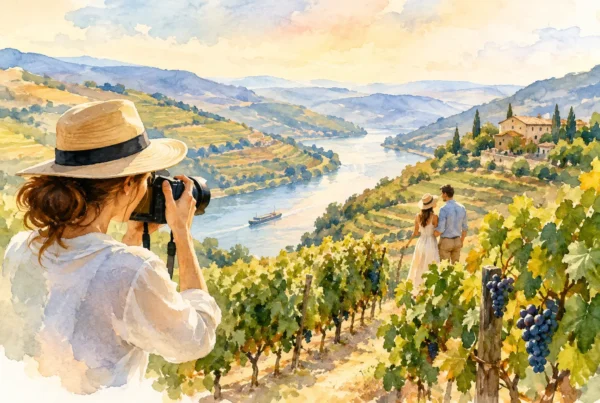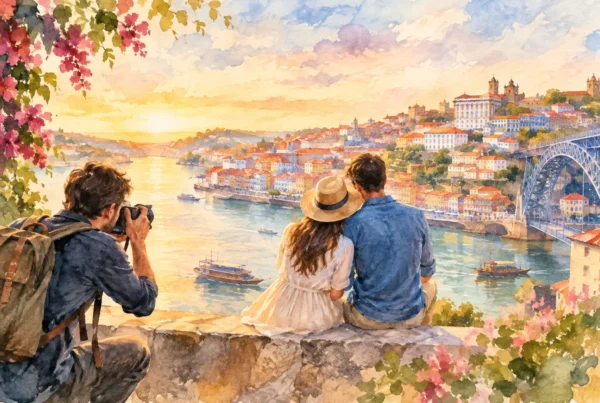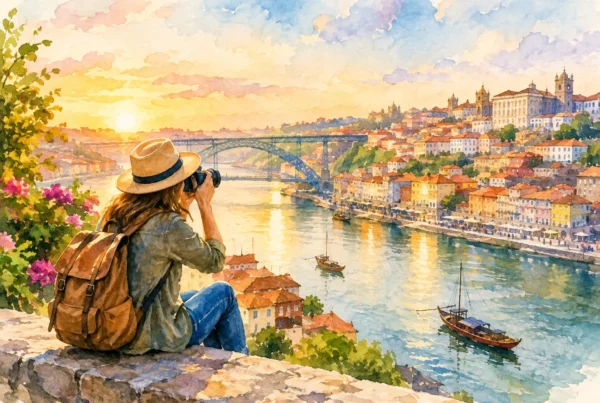

A great vineyard photograph is rarely about holding a glass in the right place. It is the glance you share while the valley opens below you, the hand that reaches for yours on a stone path, the laugh that arrives halfway through a tasting. A private wine tour photoshoot gives those moments room to happen, without turning a day in the Douro into a staged production.
For couples, honeymooners, anniversary travelers, and families visiting Portugal, this pairing can create something more lasting than a collection of beautiful views. You get to experience the wine country at its own pace, then return home with photographs that feel like the day itself: warm, unhurried, and unmistakably yours.
Why a Private Wine Tour Photoshoot Feels Different
The Douro Valley is already cinematic. Terraced hills fold toward the river, old quintas sit among vines, and the late-afternoon light softens the landscape into shades of gold, olive, and stone. But beauty alone does not make meaningful photographs. The difference is having time to settle into the place and each other.
A private tour creates that breathing room. There is no crowded bus schedule, no pressure to keep up with a large group, and fewer strangers passing through every frame. You can linger over a view, walk slowly between the vines, or sit together on a terrace after a tasting. Those small pauses are where natural photographs tend to appear.
This is not a day spent being told where to stand. A photographer may offer gentle direction when the light is right or when a composition needs a little help, but the goal is movement and connection, not a sequence of stiff poses. Think of it as your wine-country day, attentively observed.
Start With the Experience You Want
Before choosing a route or vineyard, decide what you want the photographs to remember. Some couples want romance and quiet: a scenic estate, a long lunch, a river overlook, and time to wander. Others want a more energetic story, with a boat ride, cellar visit, several tastings, and the pleasure of discovering the region together.
Neither approach is better. A fuller itinerary gives you variety, while a slower one makes room for more candid moments and less travel between locations. If photography is a priority, resist trying to see the entire Douro in one day. The valley deserves more than a checklist, and your images will feel more relaxed when you do too.
For a proposal, the plan needs even more care. The best surprise proposal photographs come from discretion, precise timing, and a location that suits the two of you. A quiet terrace before other visitors arrive may be better than the most famous viewpoint at peak hour. The moment should feel private, even when the landscape is expansive.
Match the tour to the season
The Douro changes character throughout the year. Spring brings fresh green vines and softer temperatures. Summer offers long days, bright skies, and a vivid, sun-washed look, though midday heat can be intense. Harvest season carries a particular energy, with richer color and activity around the estates. In winter, the vineyards become more spare and textural, often with quieter roads and a more intimate mood.
There is no wrong season for a session, but there are trade-offs. Summer may call for an earlier start or a late-afternoon shoot to avoid hard light. During harvest, vineyard access and schedules can be less predictable. A photographer with local knowledge can help shape expectations around weather, daylight, and the rhythm of the region.
Give the Light a Place in the Plan
In the Douro, timing matters more than trying to control every detail. The hours near sunset often bring the most flattering light: warm tones across the hills, softer shadows, and a gentler atmosphere for portraits. Morning can be equally beautiful, especially for clients who prefer quiet roads and a cooler start.
That does not mean every image must be made at golden hour. A cellar, a shaded courtyard, or a window table can create a more intimate scene in the middle of the day. The point is to build the itinerary around the light available, rather than expecting a photographer to make noon look like sunset.
If you are booking a wine tour and photography separately, leave a generous window between stops. A rushed fifteen minutes at a viewpoint usually feels rushed in the pictures. An unhurried forty minutes can include a walk, a conversation, a few portraits, and the kind of unscripted frames that often become favorites.
What to Wear Without Looking Overstyled
The best wardrobe choice is one that makes you feel like yourself, just a little more considered. The Douro’s warm earth tones, stone walls, and green vineyards work beautifully with cream, linen, soft blue, muted terracotta, olive, burgundy, and warm neutrals. Solid colors and subtle texture tend to photograph more calmly than large logos or busy patterns.
Comfort matters. Vineyard paths can be uneven, terraces have steps, and a beautiful overlook may involve a short walk. Choose shoes you can actually move in, then bring a more polished pair if you want a few elevated frames. A light layer is useful even in warmer months, particularly near the river after sunset.
Couples do not need matching outfits. It is enough for your colors and level of formality to feel related. One person in a flowing dress and the other in athletic shorts may tell two different visual stories. On the other hand, a linen shirt, relaxed trousers, and a dress or skirt that moves in the breeze can feel effortless without looking coordinated to excess.
Let the Wine Be Part of the Story, Not the Assignment
Wine photographs work best when the glass is an honest part of the day. You do not need to keep raising a toast or looking into the camera across the table. Taste, talk, listen to the guide, notice the view. A hand around a glass, a shared smile after a sip, or a quiet moment at lunch says more than a rehearsed cheers photo.
Pace yourself, especially if the session continues after tastings. Feeling relaxed is helpful; feeling unsteady or overheated is not. Water, food, and a well-spaced itinerary make a real difference, particularly in summer. A private experience lets you enjoy the wine without letting the schedule, or the wine, take over the day.
Small Details That Make the Day Easier
Bring only what you need. A small bag, sunglasses, water, sunscreen, and a touch-up item for hair or makeup are usually enough. Large backpacks and shopping bags can complicate movement and clutter photographs, though a photographer can always help decide when to set them aside.
Tell your photographer what matters before the day begins. Maybe it is the ring you chose together, a family trip across generations, the first vacation after a busy year, or simply the fact that neither of you usually enjoys being photographed. That context shapes the approach. There is no need to perform romance for the camera when the real reason you are there is already meaningful.
It also helps to be honest about your comfort level. If being photographed feels awkward at first, that is normal. Most people are not used to a camera following them through a personal experience. A thoughtful photographer knows when to step back, when to offer a simple prompt, and when to let a quiet moment remain completely uninterrupted.
Choose Photographs You Will Still Want Years From Now
A vineyard session can include the wide views people imagine when they think of the Douro Valley. It should also include the smaller evidence of being there: dusty shoes on a path, fingers intertwined, the curve of a hillside seen from a terrace, the expression on someone’s face when they forget the camera is nearby.
At By RuPe, the intention is not to make your day look like someone else’s vacation. It is to notice the feeling already present in it and give it a lasting form. The finest images often arrive after the plan has loosened a little, when the glass is set down, the light begins to shift, and you are simply together in a place worth remembering.