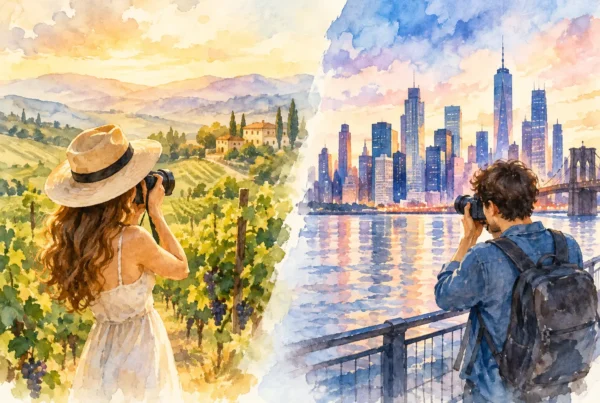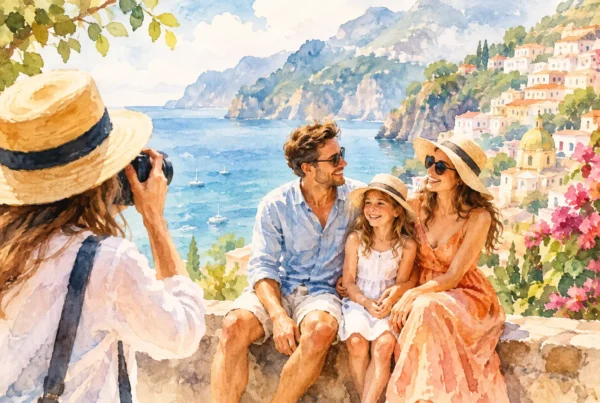

A beautiful photograph should not make you feel like you are playing a version of yourself. That is why so many travelers ask whether candid photos flattering is more than a hopeful promise. The answer is usually yes, but not because a candid image means a photographer simply points a camera and hopes for the best.
The most flattering candid photographs are carefully observed. They make space for real expression, natural movement, good light, and the small interactions that already make you look like yourself. The result is not a frozen smile for the camera. It is the warmth in your face when your partner says something funny, the way you reach for a child’s hand, or the quiet confidence of walking through a place you have waited years to see.
Why candid photos are flattering in the first place
A posed portrait often asks you to hold still, angle your body, and keep a smile in place longer than any real smile lasts. For some people, that works beautifully. For many others, it creates tension in the shoulders, a guarded expression, and the familiar thought: What should I do with my hands?
Candid photography replaces that pressure with something to do and someone to connect with. You might walk along the river, pause over a glass of wine, look out from a viewpoint, or talk to the person beside you. Movement gives your body a reason to settle into a natural shape. Conversation brings life to your face. A photographer can then catch the moments between instructions, when you have stopped trying to look photogenic and started simply being present.
This is not about hiding behind the word “candid.” A good photograph still needs intention. Flattering images depend on the photographer noticing posture, background, light, timing, and the particular energy between the people in front of the camera. The candid part is the feeling, not the lack of care.
Candid photos flattering does not mean completely unplanned
The best sessions sit somewhere between documentary observation and gentle direction. You do not need to be arranged into stiff poses, but a photographer may suggest that you slow your walk, stand closer together, turn slightly toward the light, or take a moment without looking at the camera.
Those small prompts matter. They remove visual distractions without interrupting the truth of the moment. If your hair is caught awkwardly in a coat collar, if a busy sign is growing out of someone’s head, or if the strongest light is a few steps away, a little guidance protects the image. You are still laughing at a real joke. You are simply doing it in better light.
This balance is especially helpful for people who say they are not photogenic. Usually, they do not mean they look bad. They mean they have only seen themselves in rushed phone snapshots or formal portraits where they felt exposed. Being photographed well is a collaboration, not a test you have to pass.
Natural movement is more forgiving than stillness
Bodies rarely feel their best when they are told to freeze. A slow walk creates a softer posture. Leaning into a partner can relax the arms. Sitting on a low wall or café terrace gives the hands somewhere natural to go. Even a tiny action, such as adjusting a sleeve or looking over a shoulder, can make a frame feel alive.
Movement also gives the photographer variety. One walk down a cobbled Porto street can produce a wide image that holds the city around you, a close portrait with an unguarded smile, and a quiet detail of hands finding each other. None of it needs to feel rehearsed.
Expression matters more than a perfect angle
There are angles that tend to flatter, of course, but a technically good angle cannot replace a genuine expression. A face lit by delight, concentration, tenderness, or calm has a depth that a practiced camera smile rarely carries.
That is why couples often love the photographs they did not expect. It may be the second before a kiss, the surprised laugh after a near-miss with a tram, or the way one person looks at the other while they are looking away. These are the images that feel personal years later because they preserve more than appearances.
Light can change how you feel in front of the camera
Good candid photography works with light rather than forcing you into it. Midday sun can be bright and energetic, but it can also make people squint and create deep shadows. A skilled photographer may choose a shaded street, a doorway, or reflected light near pale stone to keep portraits soft and relaxed.
Later in the day, Porto often becomes especially gentle. Light moves across tiled facades, the river picks up warm color, and the city’s steep streets gain depth without demanding a dramatic pose from anyone. In the Douro Valley, evening light can settle across terraced vineyards in a way that makes a simple walk or shared glass of wine feel cinematic without being overdone.
But flattering light is not always golden light. An overcast morning can be wonderful for intimate family photographs because everyone can move comfortably without harsh contrast. Blue-hour city scenes can suit a couple who wants something quieter and more editorial. The right choice depends on the feeling you want, the season, and how you want to experience the day.
How to feel more comfortable during a candid session
You do not need to arrive with a list of poses. It helps more to choose an experience you actually enjoy. If you love coffee, begin at a small café. If you are celebrating an engagement, take the time to wander and talk rather than rushing from landmark to landmark. Families often do best with room for children to explore instead of expecting them to perform.
Wear something that lets you move. Clothing should feel like a slightly elevated version of your own style, not a costume selected solely for photographs. Avoid anything that needs constant adjusting or shoes that make walking miserable on uneven streets. Comfort shows up in posture, expression, and patience.
It also helps to release the idea that every frame must be perfect. Wind may lift your hair. Your child may become fascinated by a pigeon. You may laugh because you forgot where to look. Often, those are the moments that make an image feel most true. The photographer’s job is to recognize which imperfections add life and which need a quiet correction.
When a candid approach may not be the whole answer
Candid images are not automatically more flattering for every purpose. If you need a clean professional headshot, a polished architecture image, or a formal multi-generation family portrait, more structure can be useful. A group photograph with grandparents and young children may need a few clearly directed minutes before everyone relaxes again.
There is also a difference between discreet and absent. During a surprise proposal, for example, the photographer may stay out of sight for the actual question, then step in afterward to create a few calm, considered portraits. The surprise is real, but the finished collection deserves more than one distant frame.
The strongest galleries often mix both approaches: honest moments unfolding naturally, with a few lightly guided portraits that give you a clear, beautiful image to frame or share. No forced poses does not mean no support. It means the direction serves the people, rather than asking people to serve the photograph.
What makes an image feel like you
A flattering photo is not one that erases every line, controls every strand of hair, or turns a trip into a fashion shoot. It is one that lets you recognize yourself at your most open and connected. It remembers the scale of the bridge behind you, the texture of the old streets beneath your feet, and the person you chose to share the view with.
If being photographed makes you nervous, say so before the session begins. The right photographer will not ask you to become someone louder, more polished, or more practiced than you are. Start with a place that feels good, give yourself permission to move, and let the moment become more interesting than the camera. That is where the most flattering photographs tend to begin.